How to use a Gunna type beat like "Professional" to build a release-ready track
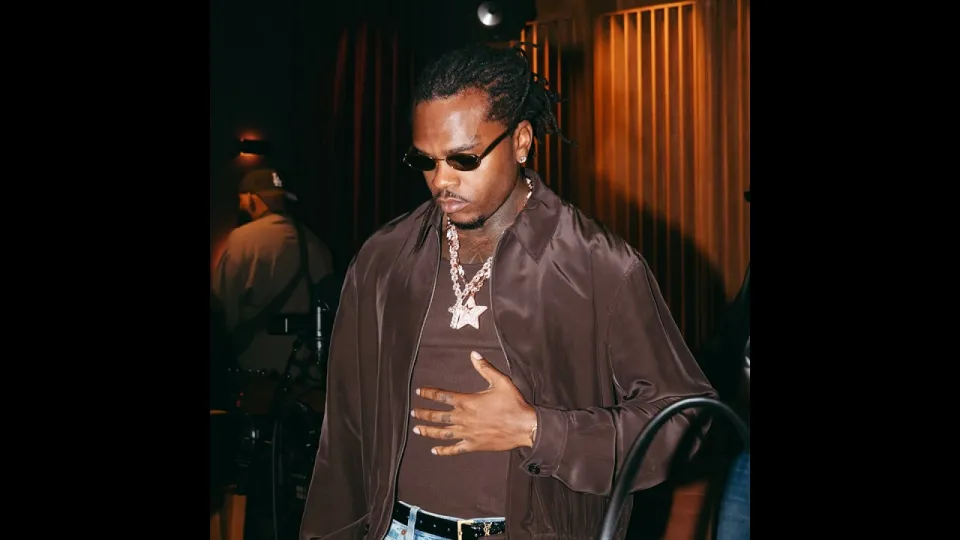
Video: [FREE] Gunna Type Beat - "Professional"
Need articles like this for your video? They help promote it on YouTube and Google — order them in the Telegram bot @sat_sit_bot. Articles with your video embedded are written and posted by the bot itself — on popular topical sites (no ads). Your first 50 articles are free.
· based on the channel MIG
Key takeaways
- "Professional" is a free Gunna type beat produced by MIG, tagged and untagged, at 122 BPM in F# minor.
- The free download is licensed for non-profit use only and cannot be distributed on Spotify or Apple Music.
- An untagged license is sold through the BeatStars link https://bsta.rs/lKzH8q, with a discount when three beats are added to the cart.
- The instrumental leans on an orchestral, dark melody with sliding 808s and dense hi-hat rolls, closer to Gunna's guitar and string-driven records than to plain piano trap.
- At 122 BPM the beat sits in the mid-tempo pocket that suits melodic rap and sing-rap flows rather than double-time drill.
A Gunna type beat is a instrumental built to match the Atlanta rapper's melodic trap sound, and "Professional" by MIG is a 122 BPM, F# minor example of the style: an orchestral, minor-key melody over sliding 808s and crisp, roll-heavy hi-hats. You can grab the untagged license at the BeatStars checkout for "Professional" or download the tagged free version for non-profit work only.
What a Gunna type beat actually is and where "Professional" fits
The term describes a beat written in the sonic lane Gunna occupies: slow-to-mid tempo, wide reverb, minor-key melodic loops, and 808 patterns that glide between notes instead of punching in straight lines. "Professional" follows that blueprint with a dark orchestral melody, which listeners in the comments immediately flagged as the standout element, alongside the 808 slides and the hi-hat programming.
What separates a good Gunna type beat from generic melodic trap is restraint. The drums on "Professional" are described by listeners as crisp rather than maximal, and the melody carries the emotional weight. That leaves room for a rapper's vocal to sit on top instead of fighting the instrumental. If you are searching for a free Gunna type beat, a Gunna guitar type beat, or a Gunna x Young Thug type beat, this one belongs to the same family of dark, string-and-slide-driven records.
The hard numbers: tempo, key and what they mean for your vocals
"Professional" runs at 122 BPM in F# minor. Both figures matter more than they look.
- Tempo. 122 BPM is the mid-tempo pocket where melodic rap lives. It is fast enough for double-time hi-hat patterns but slow enough that a lazy, behind-the-beat flow still lands. If you usually write at 140–150 BPM, expect to stretch your bars out rather than cram them.
- Key. F# minor gives the beat its dark, cinematic colour. Vocals recorded in F# minor, or in the relative A major, will sit naturally; anything far outside that scale will clash with the melody.
- 808 tuning. Because the 808s slide, your lowest vocal notes and ad-libs should be checked against the bassline before you commit to a hook.
A practical starting point: set your DAW to 122 BPM, import the beat, and record a reference take of the hook before writing verses. The tempo will tell you quickly whether your flow needs to be more spaced out or more rhythmic.
How to arrange a full song around this beat
Arrangement is where most type beat recordings fall apart. The instrumental already has a structure, so your job is to match it rather than fight it.
- Intro and first verse. Keep the vocal sparse for the first eight bars. On an orchestral trap beat, leaving space early makes the drop hit harder.
- Hook. The melody is the hook's best friend. Write a sung or half-sung chorus that mirrors the melodic contour of the loop instead of rapping against it.
- Second verse. Add a layer of ad-libs or a doubled vocal to raise energy without changing the beat.
- Bridge or switch-up. Because the beat is melody-led, a short section with the drums pulled back or a filtered vocal gives the track a second life.
- Outro. Let the melody breathe for four to eight bars. Cutting immediately after the last line wastes the atmosphere the producer built.
If you plan to release the song commercially, remember that the free download is tagged and restricted; the untagged file is the one you mix and master.
Licensing: what the free download does and does not allow
MIG's description is explicit: the beat is free for non-profit purposes only, and the free version cannot be distributed on streaming services such as Spotify or Apple Music. That means the tagged file is for practice, demos, social clips and writing sessions, not for a release that generates revenue.
For anything monetised, you need the untagged license purchased through https://bsta.rs/lKzH8q. The store also runs a bundle offer: add three beats to the cart and a discount activates. Before you upload, read the license tier you bought, since distribution limits, streaming caps and stem access vary between lease types. Producers in this lane typically offer a basic lease, a premium lease and an exclusive buyout, and the price difference between them is usually smaller than the cost of a takedown.
Common questions producers and artists raise about this beat
The recurring doubts around a beat like "Professional" are practical rather than artistic. Artists ask whether the hi-hat rolls are too busy for a relaxed flow, whether the 808 slides will mask a low vocal, and whether the beat is dark enough to feel like a street record rather than a mood piece. Listeners have described the melody as the darkest part of the track, which is useful information: your vocal can be relatively bright and still sit inside the mood.
On the production side, the questions are about mixing. Crisp drums mean the beat already has a defined top end, so avoid stacking bright vocal chains on top. If you record at home, a gentle de-esser and a moderate high-shelf cut will keep your voice from competing with the hats. And if the hi-hat rolls feel like they are pushing your flow, write in half-time phrases over them rather than trying to match every roll.
Where this beat sits in the wider Gunna and Young Thug landscape
Gunna's catalogue, from the guitar-driven records to the more orchestral, string-heavy cuts, shares one trait: melody first, drums second. "Professional" follows that rule, which is why it also works as a Young Thug type beat or a Gunna x Young Thug type beat. Thug's influence shows up in the willingness to sing outside a strict pocket; Gunna's shows up in the smooth, almost conversational delivery.
That flexibility is an advantage. The same instrumental can carry a melodic hook-driven track, a moody verse for a project, or a freestyle over the tagged version while you decide whether to license it. Producers searching for a Gunna type beat 2026 sound will find the orchestral-trap direction here more current than the older piano-trap template, because the strings and slides carry the atmosphere without extra layers.
Final thoughts on turning "Professional" into a finished record
"Professional" gives you a clear brief: 122 BPM, F# minor, dark orchestral melody, sliding 808s and crisp hats. Treat the tempo and key as fixed constraints, write a hook that follows the melody, and keep your verses spacious so the instrumental's atmosphere survives the mix. Decide early whether the track is a demo or a release, because that determines whether you use the tagged free file or buy the untagged license. When you are ready to release, get the untagged version and any bundle discount at the official "Professional" beat page. The video breakdown and the beat itself come from the producer MIG, whose catalogue is worth following if this sound fits your lane.
Questions & answers
Is the "Professional" Gunna type beat really free?
Yes, but only for non-profit use. The free download is tagged and cannot be distributed on streaming services such as Spotify or Apple Music. For a monetised release you need to buy the untagged license through the BeatStars link in the description.
What tempo and key is the beat in, and does that limit my flow?
The beat is 122 BPM in F# minor. That tempo suits melodic rap and sing-rap flows with space between phrases; if you usually write at 140 BPM or faster, you will need to stretch your bars rather than cram them. Recording in F# minor or its relative A major keeps your vocal in tune with the melody.
Are the hi-hat rolls and 808 slides too busy for a relaxed vocal?
They are dense, but they leave room because the drums are crisp rather than loud. Write in half-time phrases over the rolls instead of matching every hit, and check your lowest notes against the sliding 808s so the bass does not mask your voice.
Can I use this beat for a Young Thug-style track or a duo song?
Yes. The orchestral, melody-first structure works equally as a Young Thug type beat or a Gunna x Young Thug type beat, and it leaves space for two vocalists. Just confirm your license covers the number of artists and the distribution you plan.
Source: [FREE] Gunna Type Beat - "Professional" · Markdown version